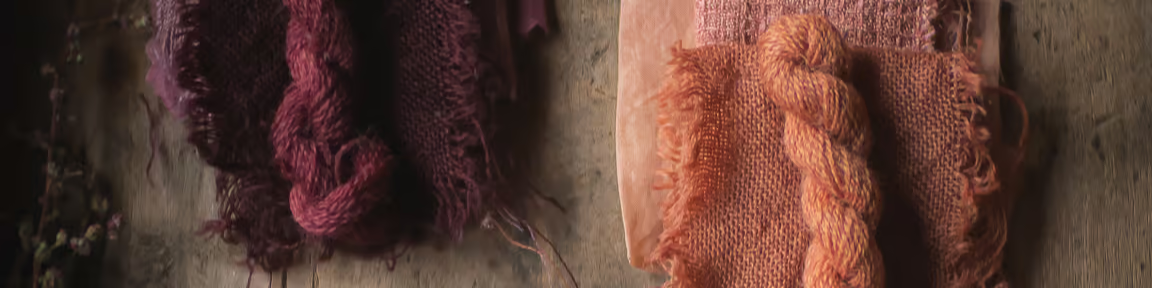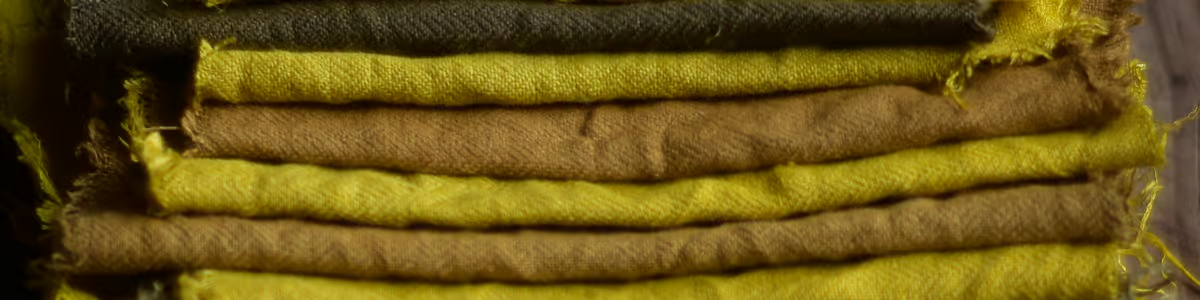
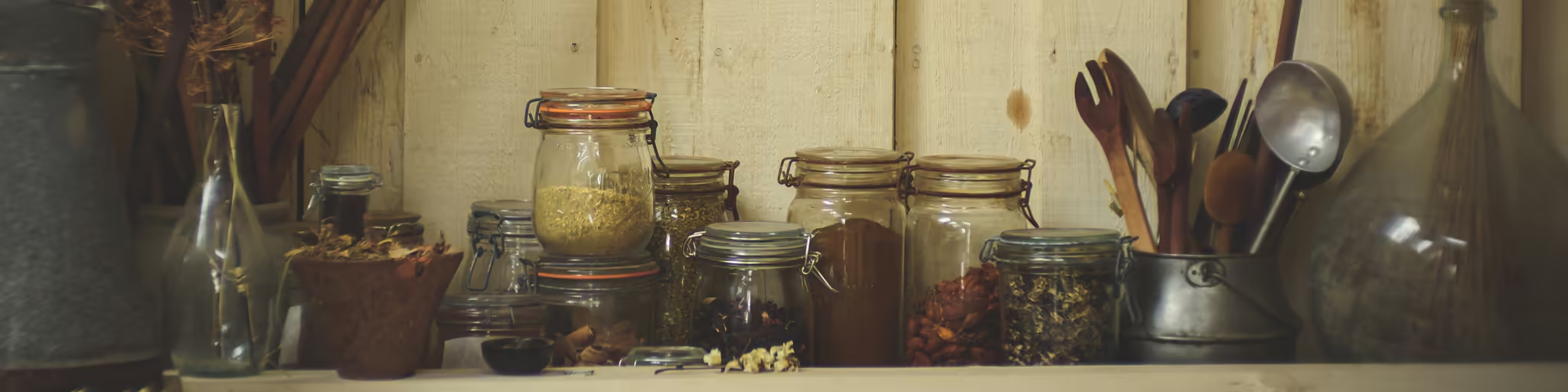
how to equip yourself for natural dyeing: various utensils

Getting equipped for natural dyeing

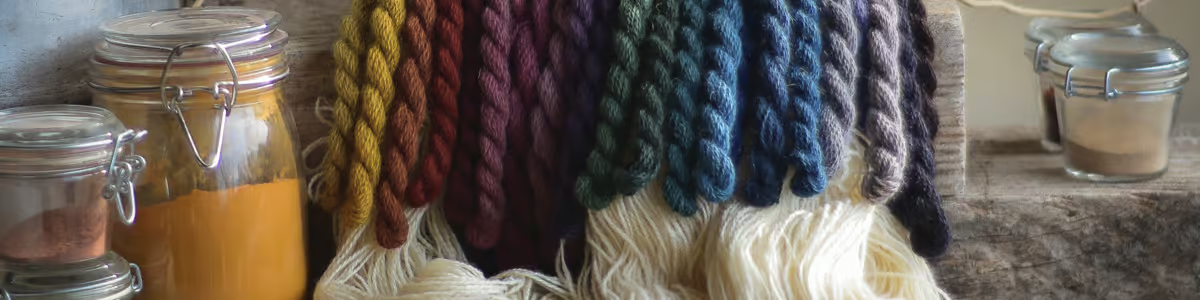
The adventure of natural dyeing requires no special equipment when creating colors for yourself. If you are equipped for cooking, then you are already prepared for natural dyeing. It is generally recommended that equipment be used exclusively for dyeing, especially when using alum, iron, or lime for the indigo vat. However, if you are only … Read more
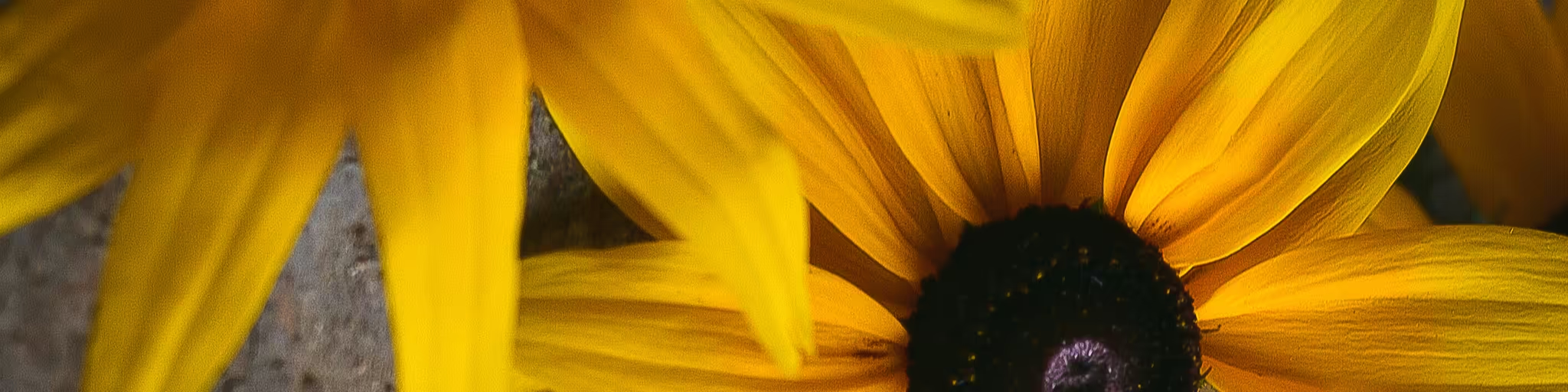
rudbeckia dyeing yellow flower

Rudbeckia natural dye

Also known as black-eyed Susan, Rudbeckia is an excellent plant for botanical dyeing. With just one plant, you can obtain shades of pink, yellow, and even green. This color variability is explained by the diversity of its chemical components, all of wich belonging to the flavonoid family of yellows. However, a high concentration of anthocyanins … Read more

fabrics dyed with madder

Madder dyeing

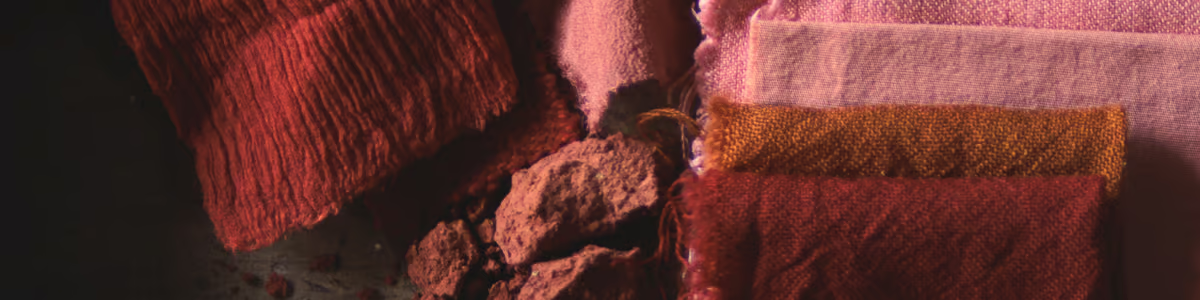
An essential plant for natural dyeing When it comes to plant dyes, madder is hard to ignore. It is one of the few plants that “makes” red, a red that is resistant to UV rays and washing. Its color palette is rich and varied: oranges, pinks, reds and even purples. It all depends on the … Read more

fabrics with natural dye that last

Do botanical colors last?

The fastness of natural dyeing This is the question most often asked when talking about natural dyes. It’s the victim of a deep-rooted prejudice among our contemporaries: pale colors, colors that don’t last… To believe in this prejudice is to ignore the history of natural dyeing. Botanical colors have endured for centuries Since time immemorial, … Read more

cotton linen fabrics and skeins of wool dyed purple and orange with banana twist

Botanical dyeing of cotton, linen or hemp

In botanical dyeing, we distinguish between animal fibers such as wool and silk, and botanical fibers such as cotton, linen and hemp. This is a very important distinction when it comes to knowing how to go about dyeing textiles; more specifically, how to go about mordanting the textile. As a reminder, mordant is what is … Read more

wool skeins dyed with onions

Onion dyeing

Or how to look after your onions properly* * A French expression meaning “Mind your own business” I love onions. In all its forms. In tarts, chutneys, soups… I use it in all kinds of sauces to accompany dishes. Onions are good to eat and good for your health. What does it look like in … Read more

purple wool skiens dyed with phytolacca

A surprise: Phytolacca dyeing

Here’s a plant color experiment that took me by surprise! And a nice surprise. I’ve been very reluctant to tell you about it, because unlike others like avocado or turmeric, the plant I’ve been experimenting with isn’t very recommendable. But the resulting color was so pretty and apparently solid that I couldn’t keep it to … Read more

wool fabrics mordanted with beetroot

Mordanting with beetroot

Let’s get back to natural dyeing. My experiments with beet leaves show that they can be used as a natural, bio-mordant for dyeing wool and silk. What more could you ask for than a plant-based mordant made from local plant waste? The principles of mordanting with beetroot leaves Which fibers to dye:Beet leaves only act … Read more

several wool skiens dyed naturally without alum

Botanical color chart

Play with colors by combining plants With botanical dyes, nothing is wasted. Vegetal nuances are enriched by the addition of different plants to the baths. Let me explain. Composing plant colors with indigo Indigo blue, a “foot” color Indigo makes blue and nothing but blue. A more or less dark and intense blue, depending on … Read more

fabrics dyed with indigo

Dyeing with indigo

In all indigo-producing cultures, the plant was also used for purposes other than color, notably therapeutic. It is also very useful as an anti-inflammatory. It is traditionally used to treat mouth and lung ailments. Also known for its depurative properties, it can also relieve the liver and purify the blood. Since 2011, the roots of … Read more

on a wooden cutting board, plants and wool fabrics dyed with local plants

Yellow dye plants

Yellow, a color that’s good for plants and people Flavonoids are very common in the plant world, and play an essential role for plants. They color the petals to attract foraging insects. They also enable the plant to combat all kinds of stress, notably by protecting itself from the sun’s rays. In recent years, medical … Read more

different fibers dyed with avocado

Avocado dyeing

Materials required for avocado dyeing The different steps of avocado dyeing Turning the color For rosier tones: add a good tablespoon of sodium bicarbonate to half a liter of lukewarm water. Soak for at least 5 minutes, keeping an eye on the color, taking it out when you like the shade. Other articles on botanical … Read more

Linen fabrics naturally dyed with turmeric. This plant-based dyeing process produces yellows, beiges and khaki.

Turmeric dyeing

How to create yellow, beige or khaki naturally? Turmeric dyeing lets you experiment with a 100% natural, eco-friendly dye. Along with avocado and onion, turmeric is one of the few plants that doesn’t need any mordant to bind to the fiber. And like rudbeckia dye, turmeric can be used to obtain yellow, green and pink. … Read more